
Carignan has an undeserved reputation. Young vines on fertile soil produce thin bulk wine — that's true. But old goblet vines on the schist slopes of Faugères, the limestone soils of Puisserguier or the gneiss terraces at 305 metres altitude change everything. That's the Carignan we import.
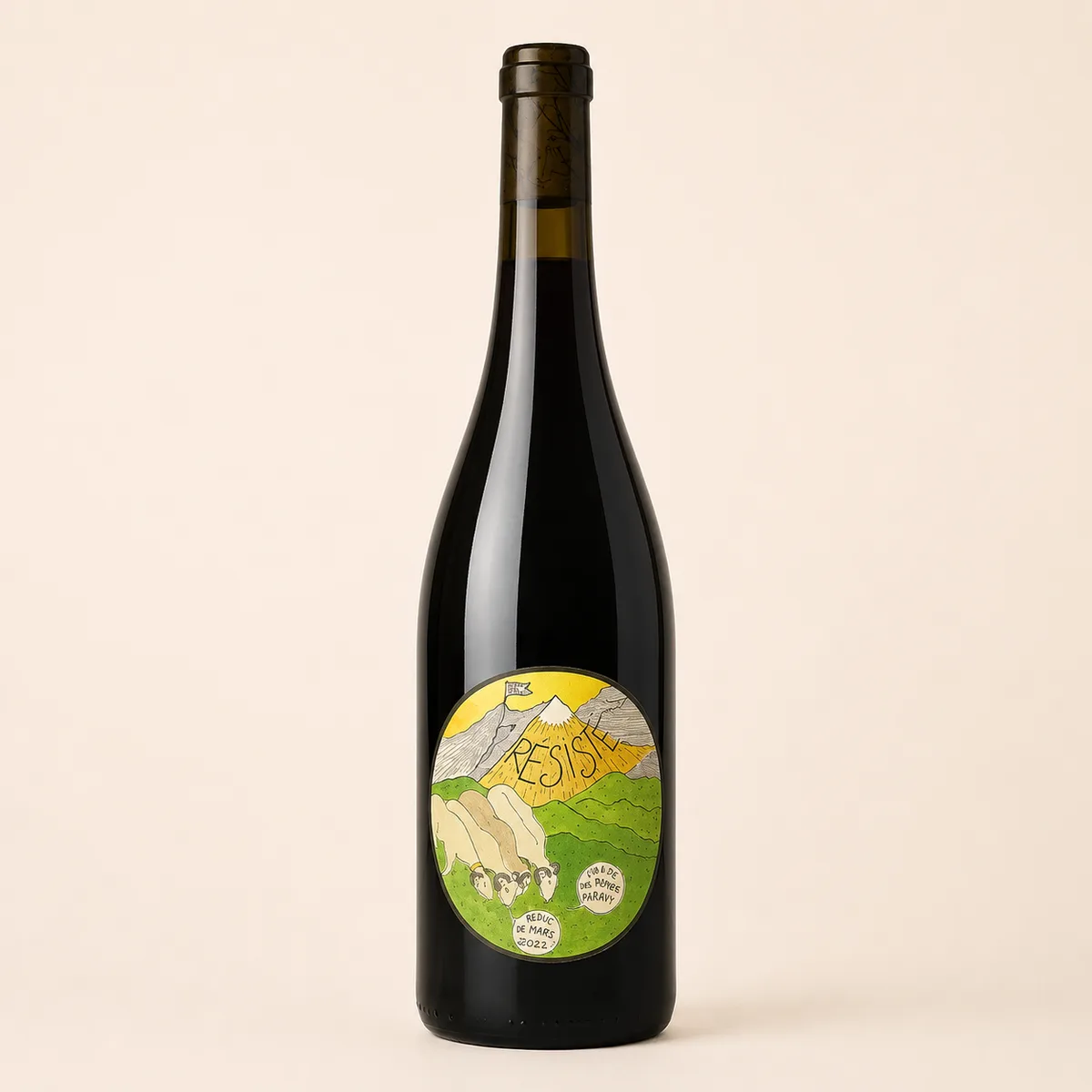
Résiste 2025
La Marotte
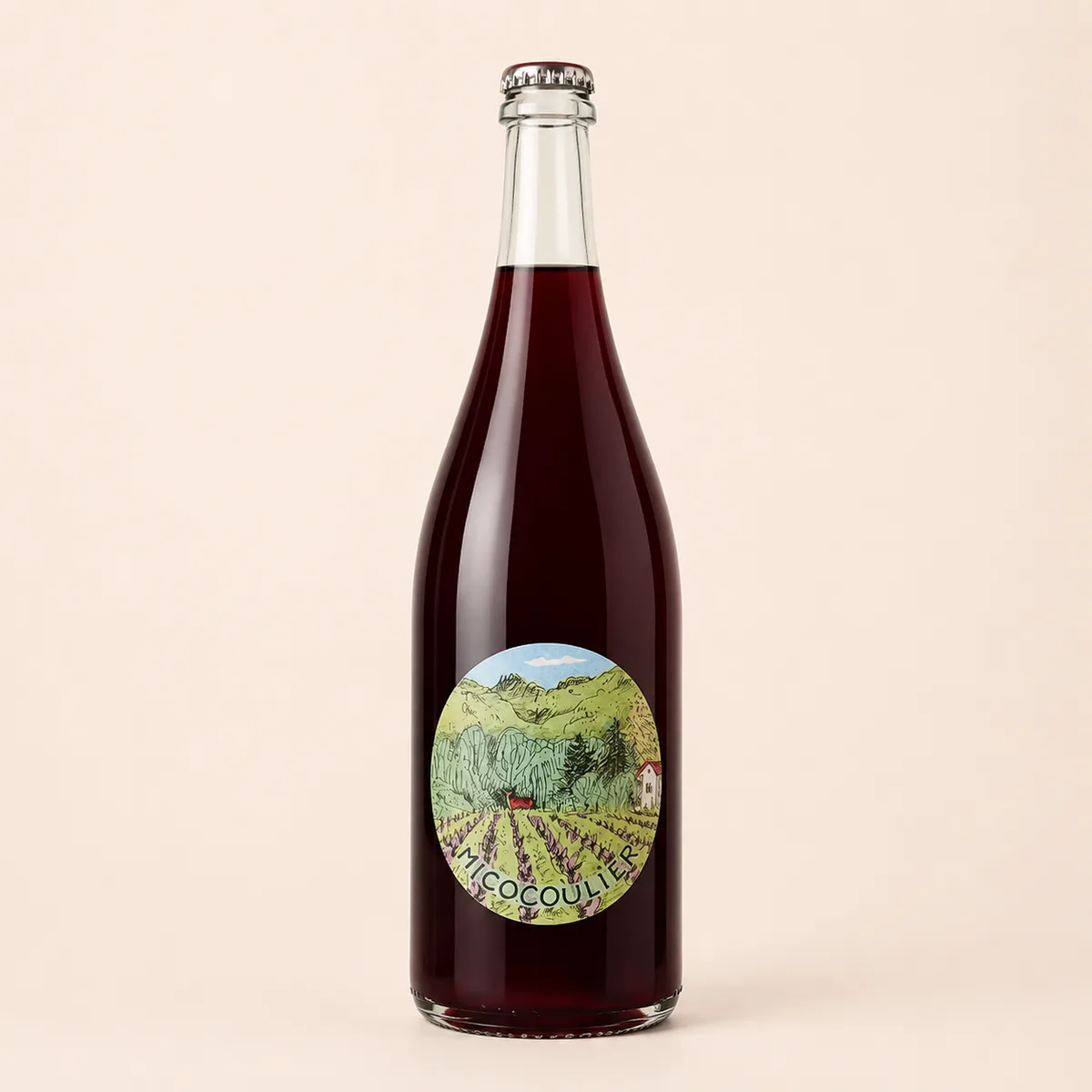
Micocoulier 2025
La Marotte
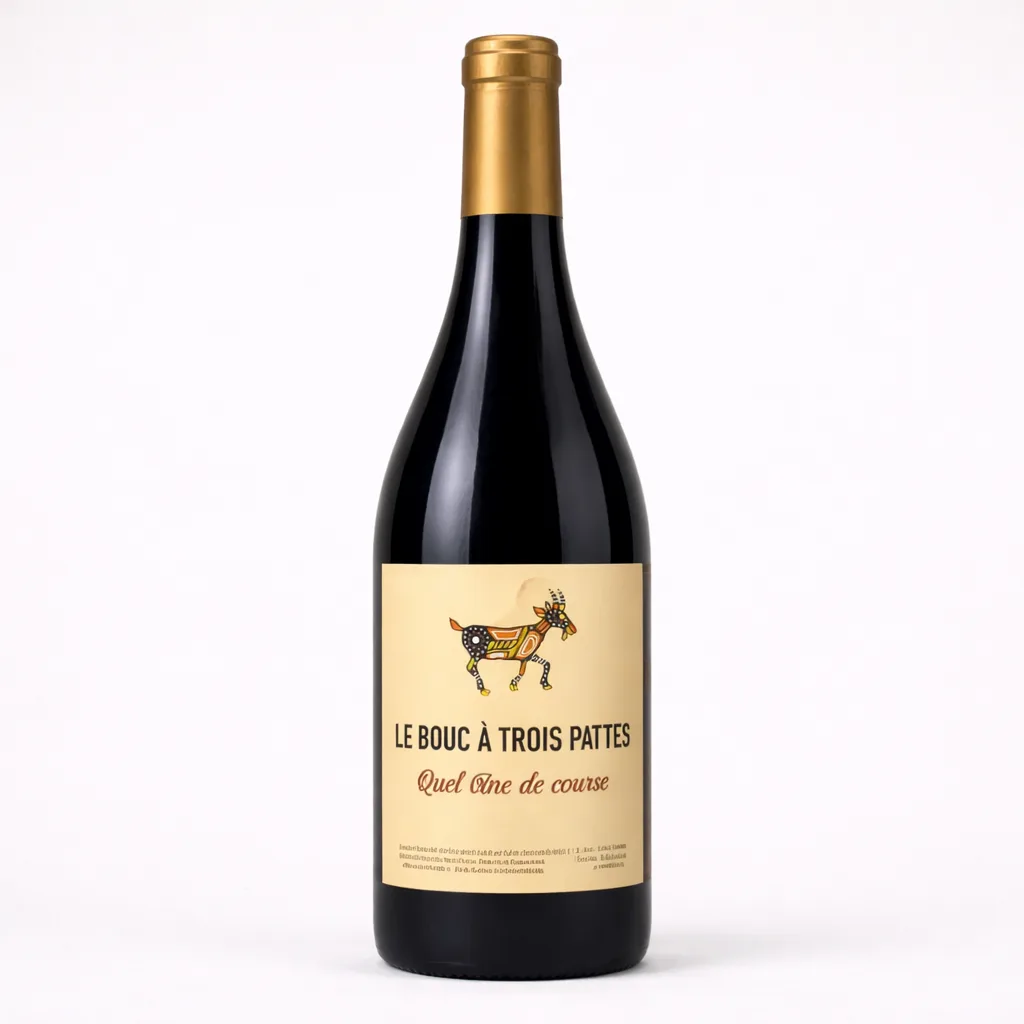
Quel âne de course 2023
Le Bouc A Trois Pattes
Quel âne de course 2023
Le Bouc A Trois Pattes
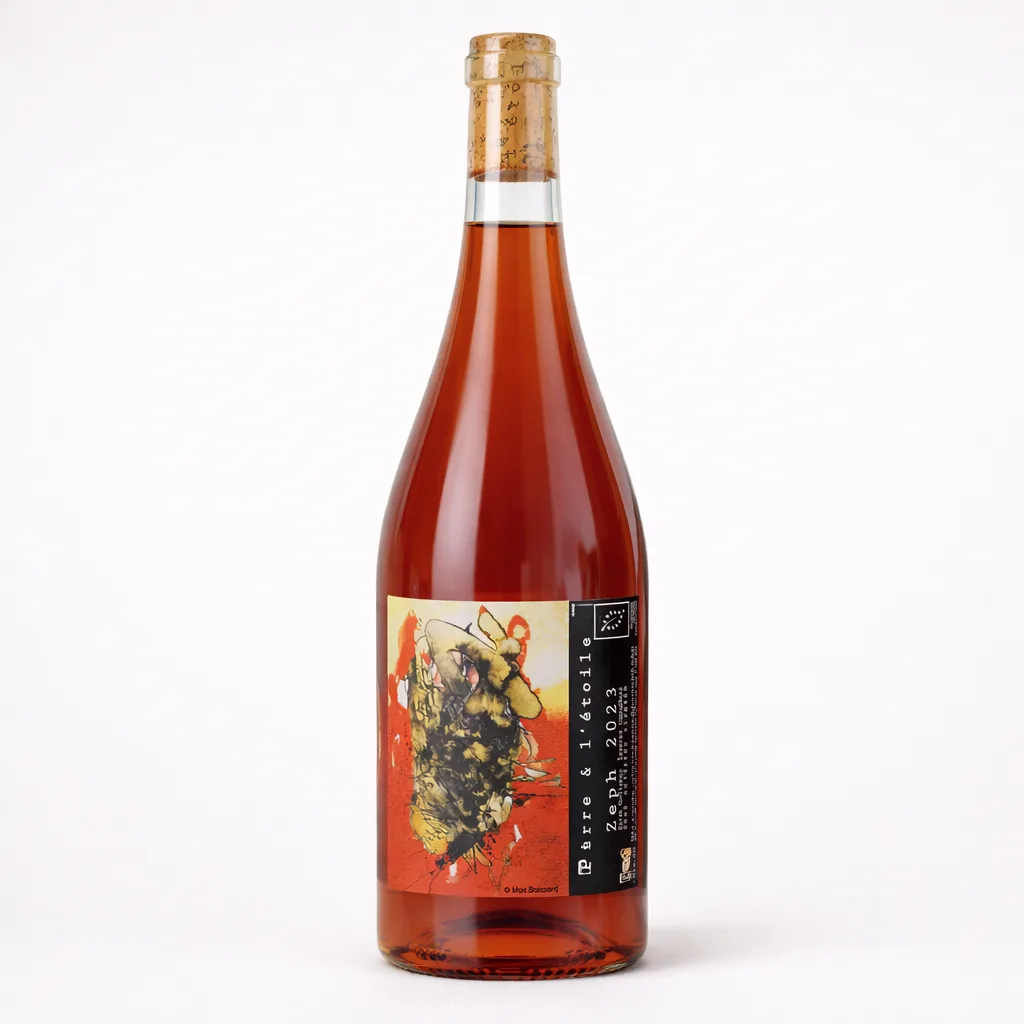
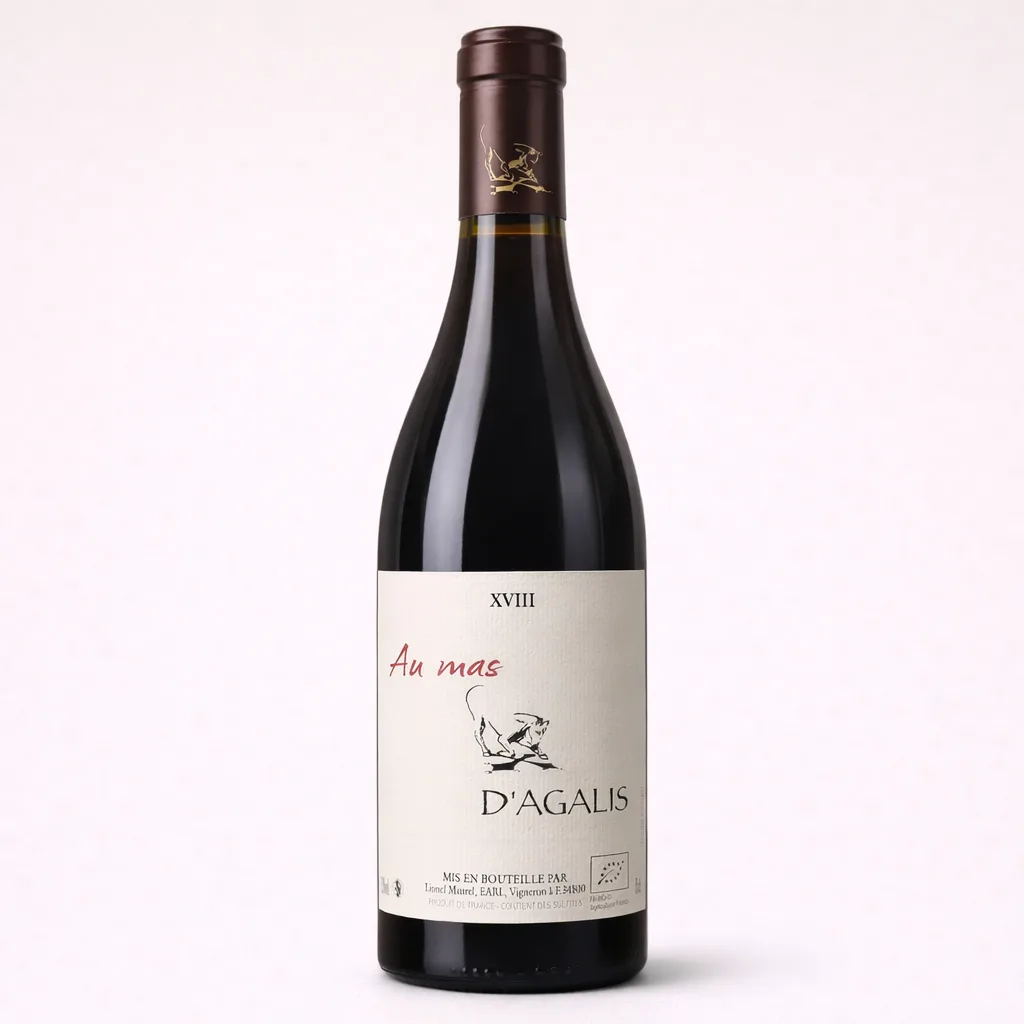
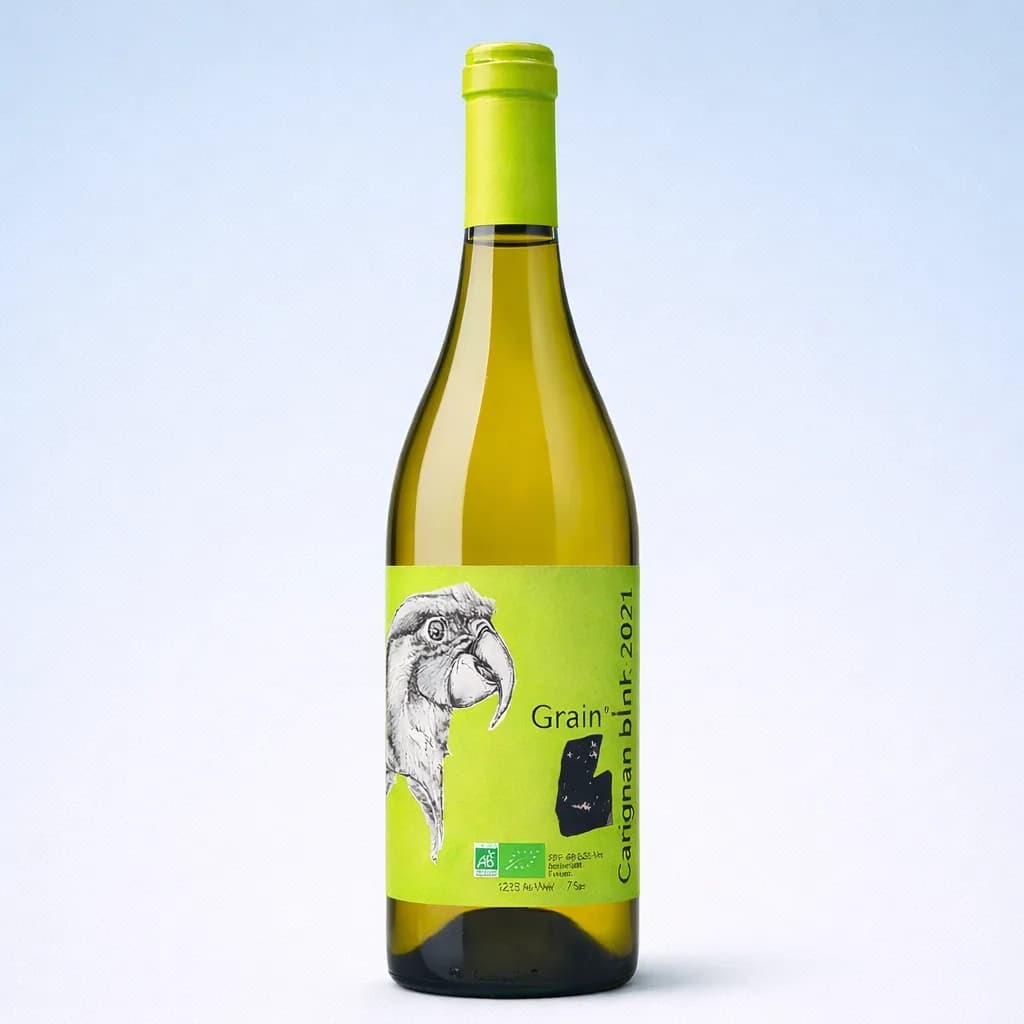
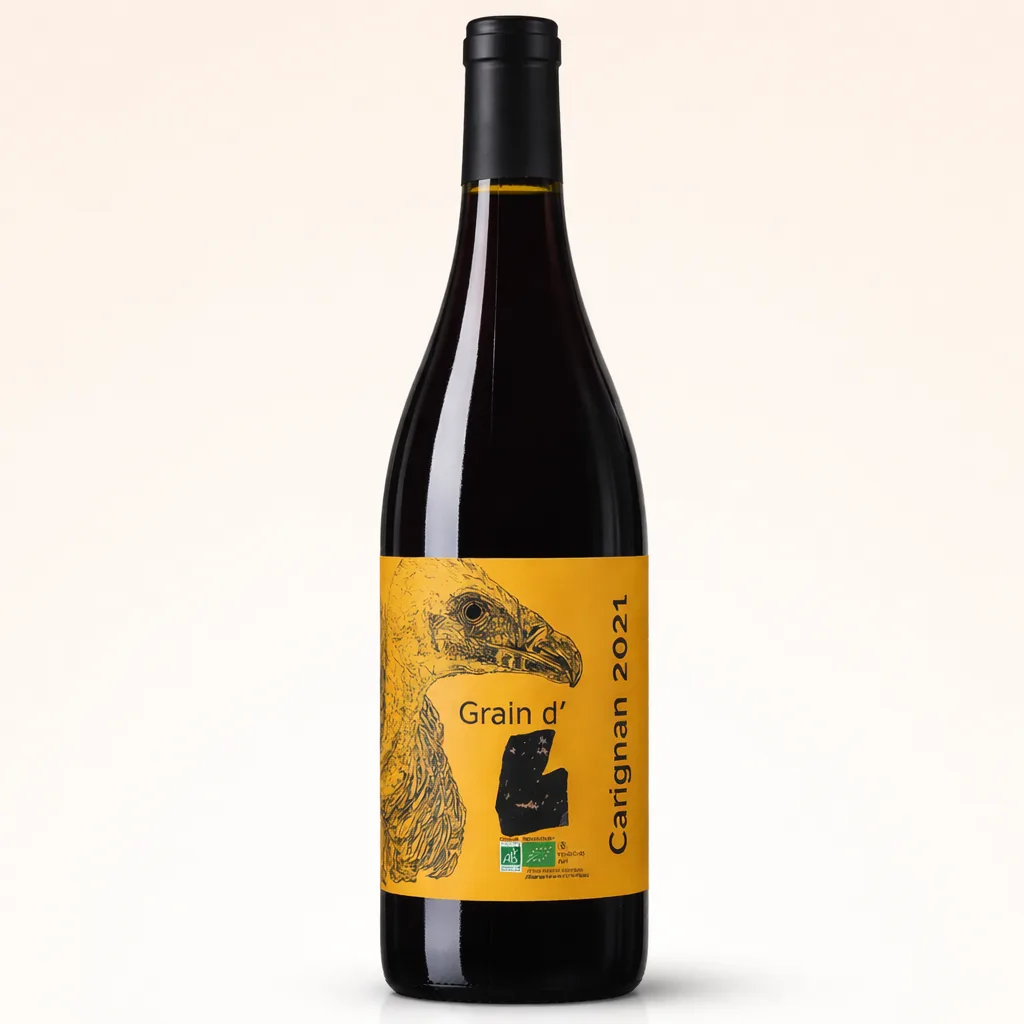
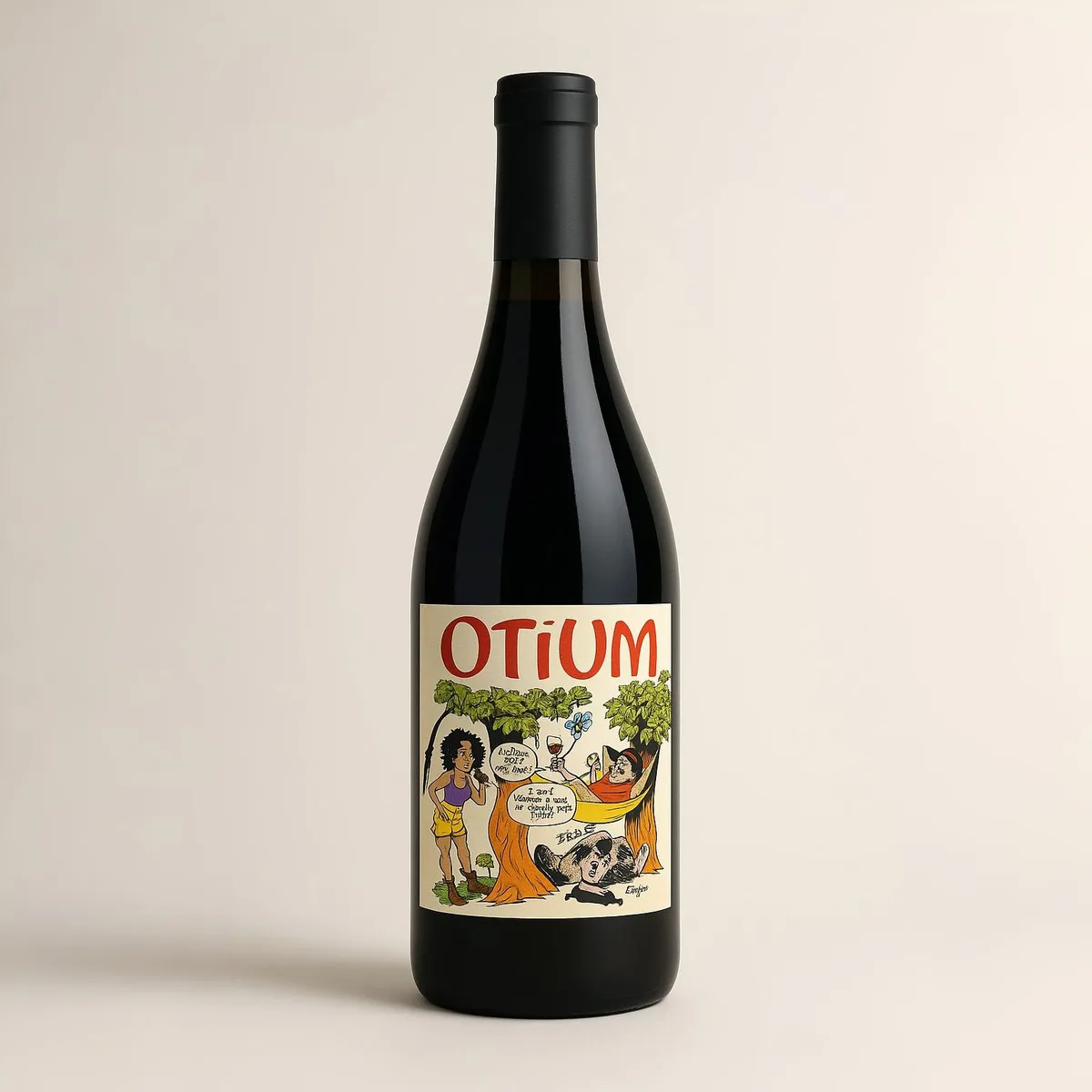
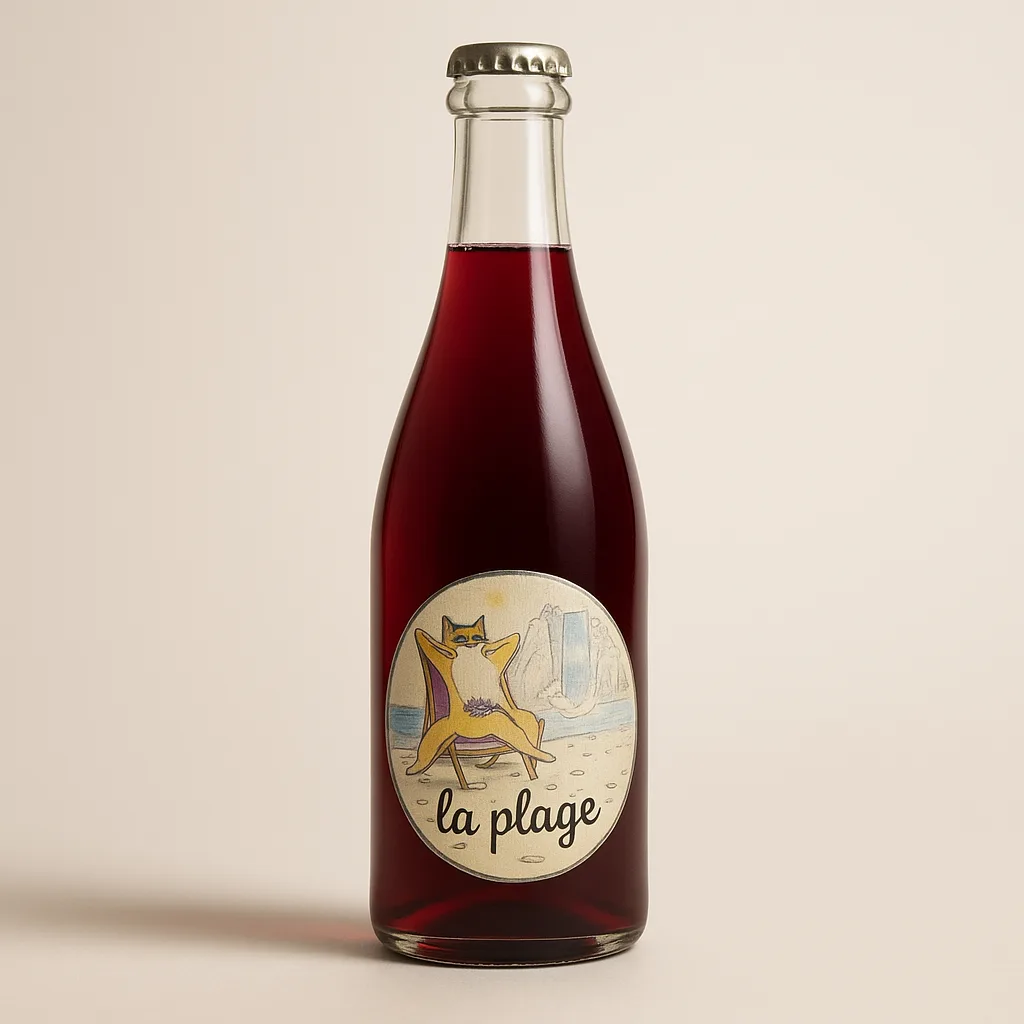
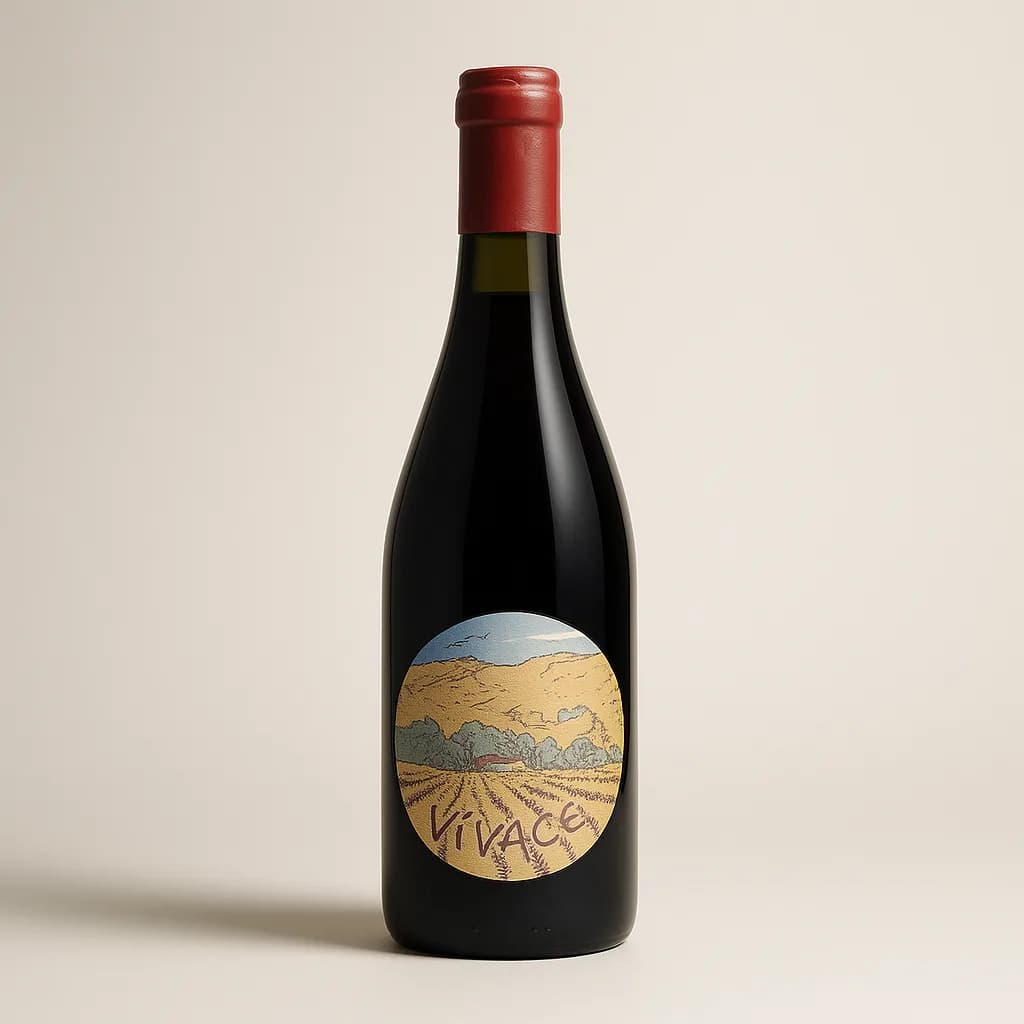
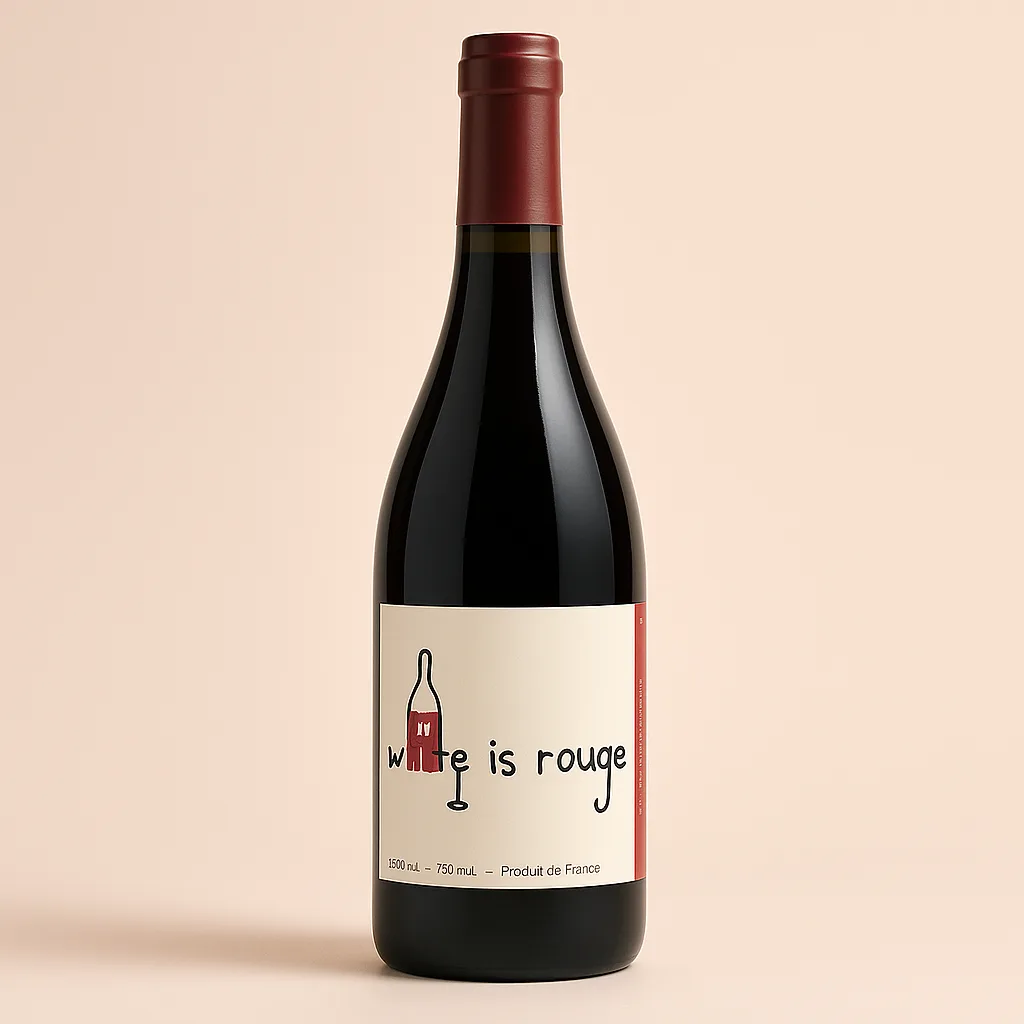
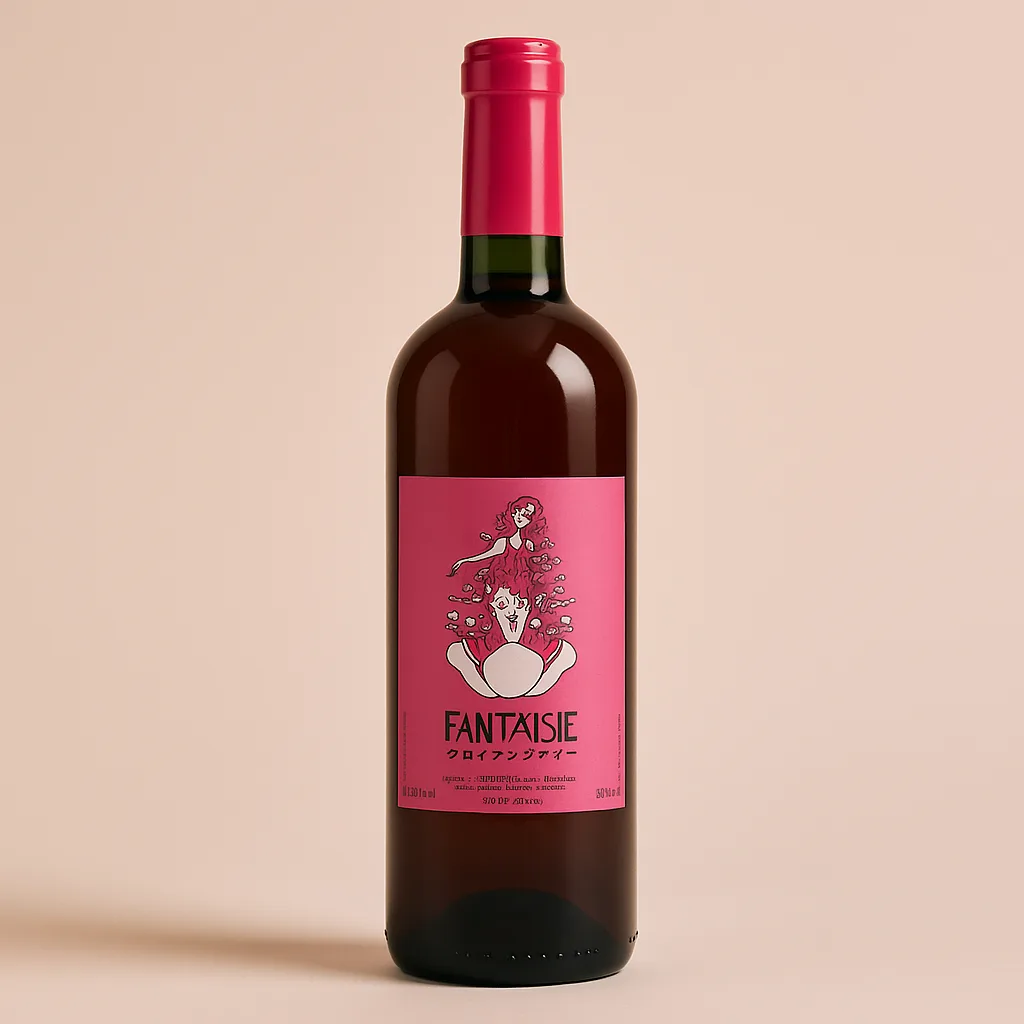
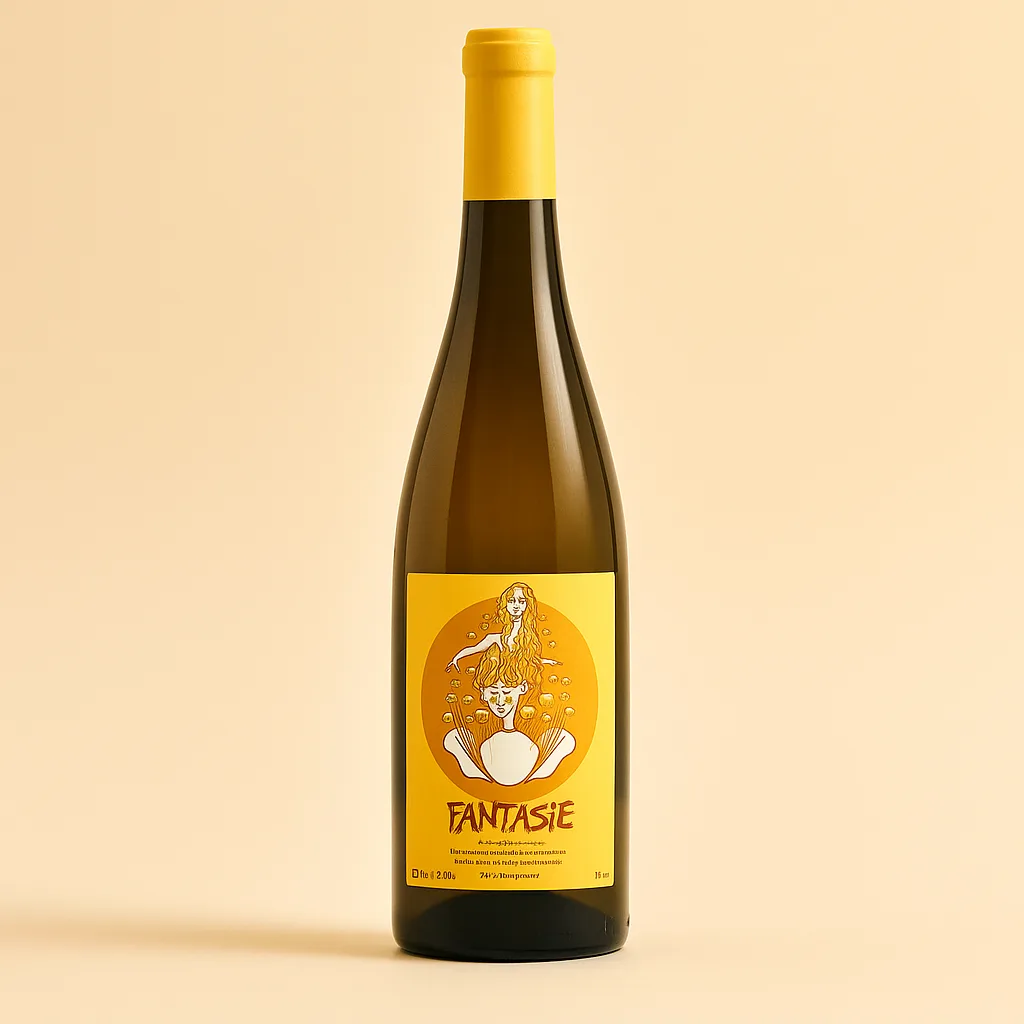
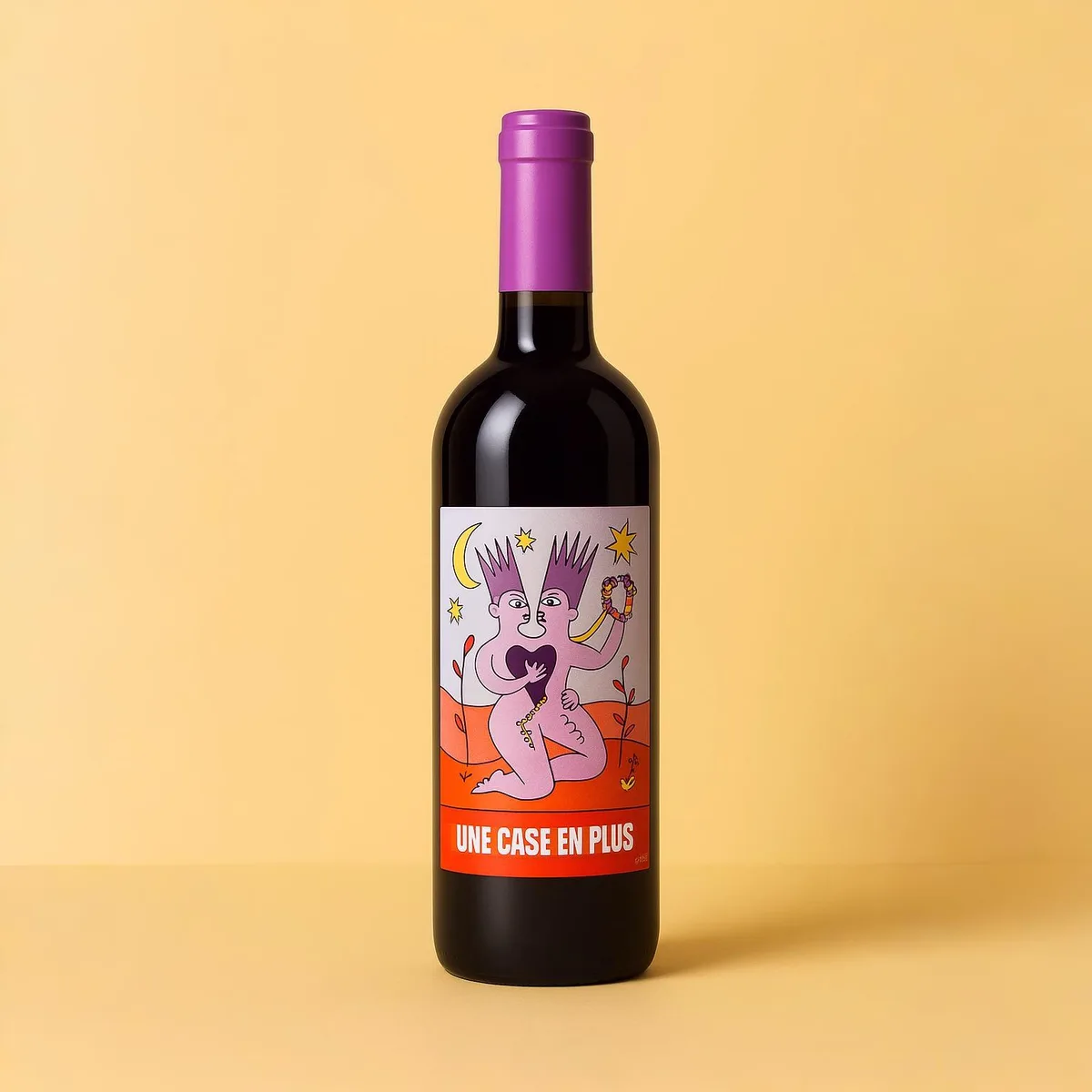
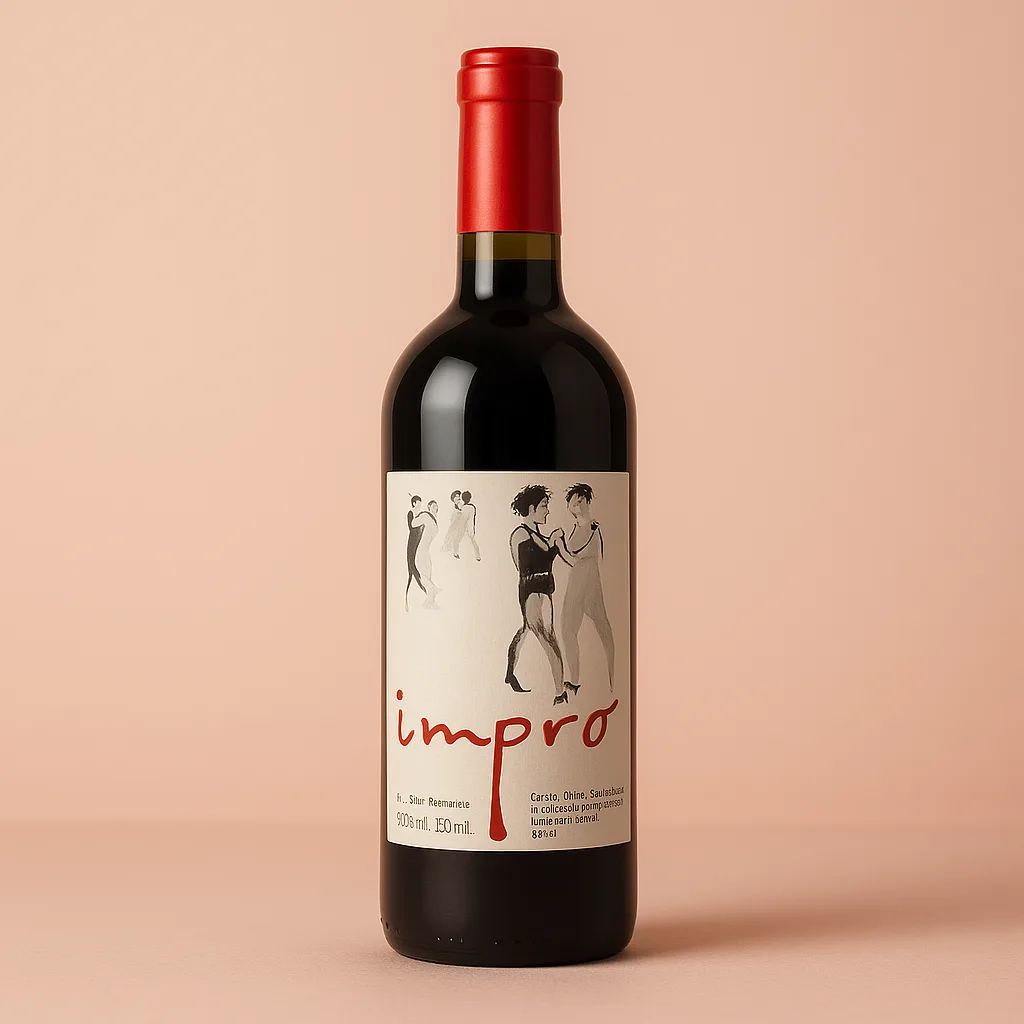
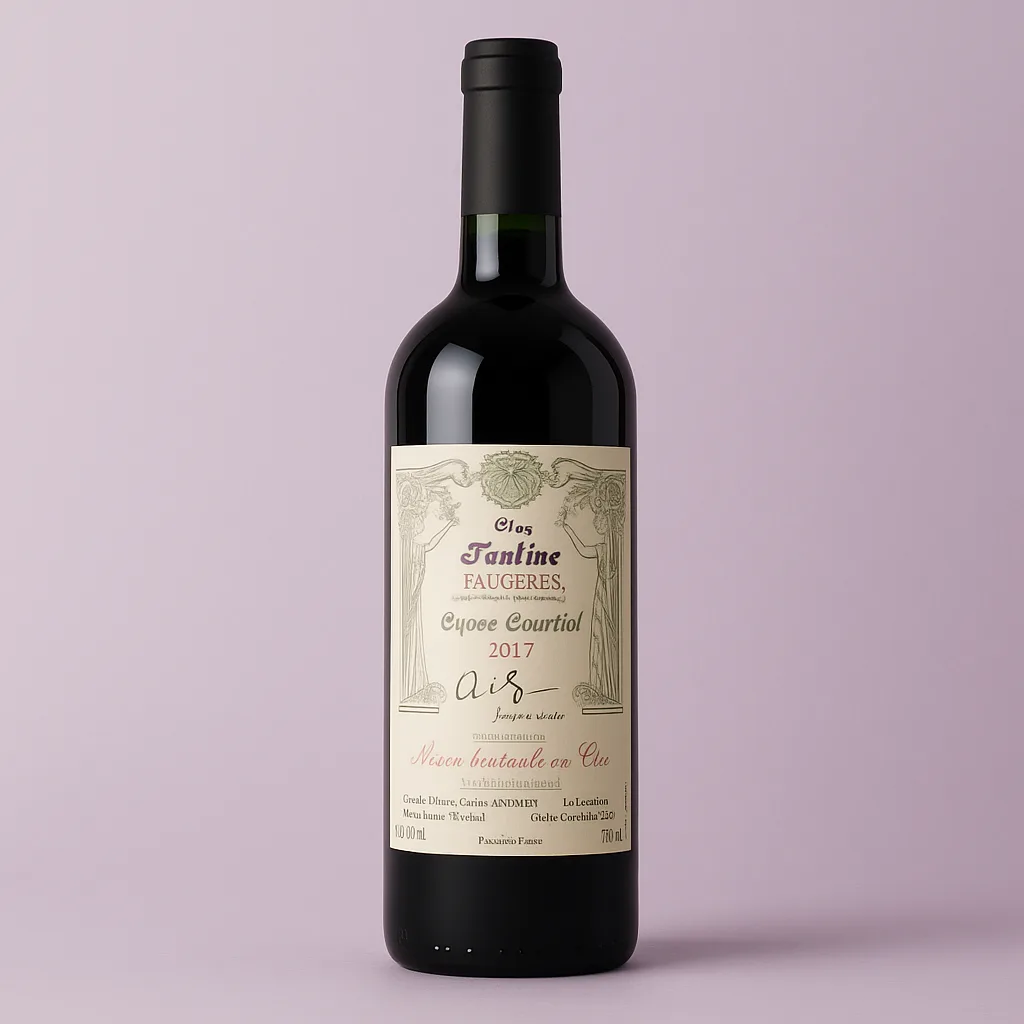
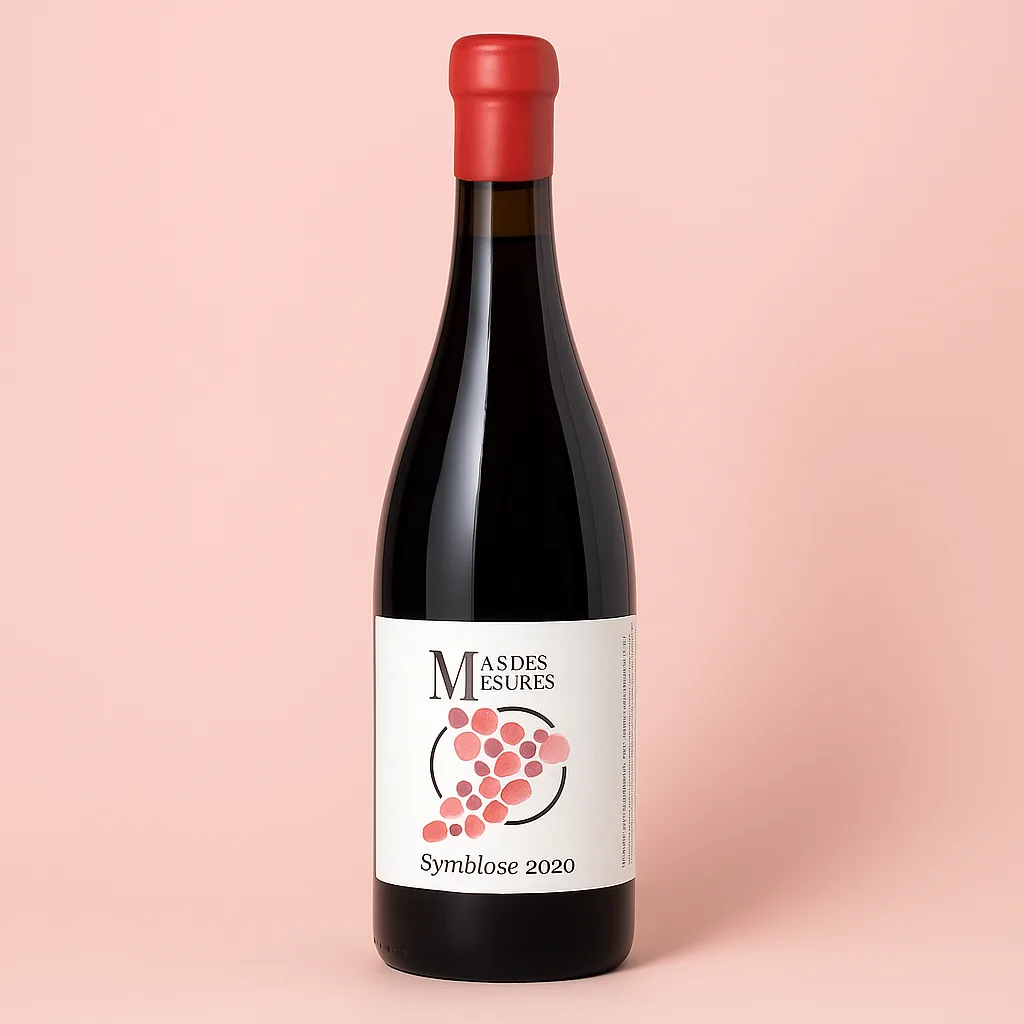
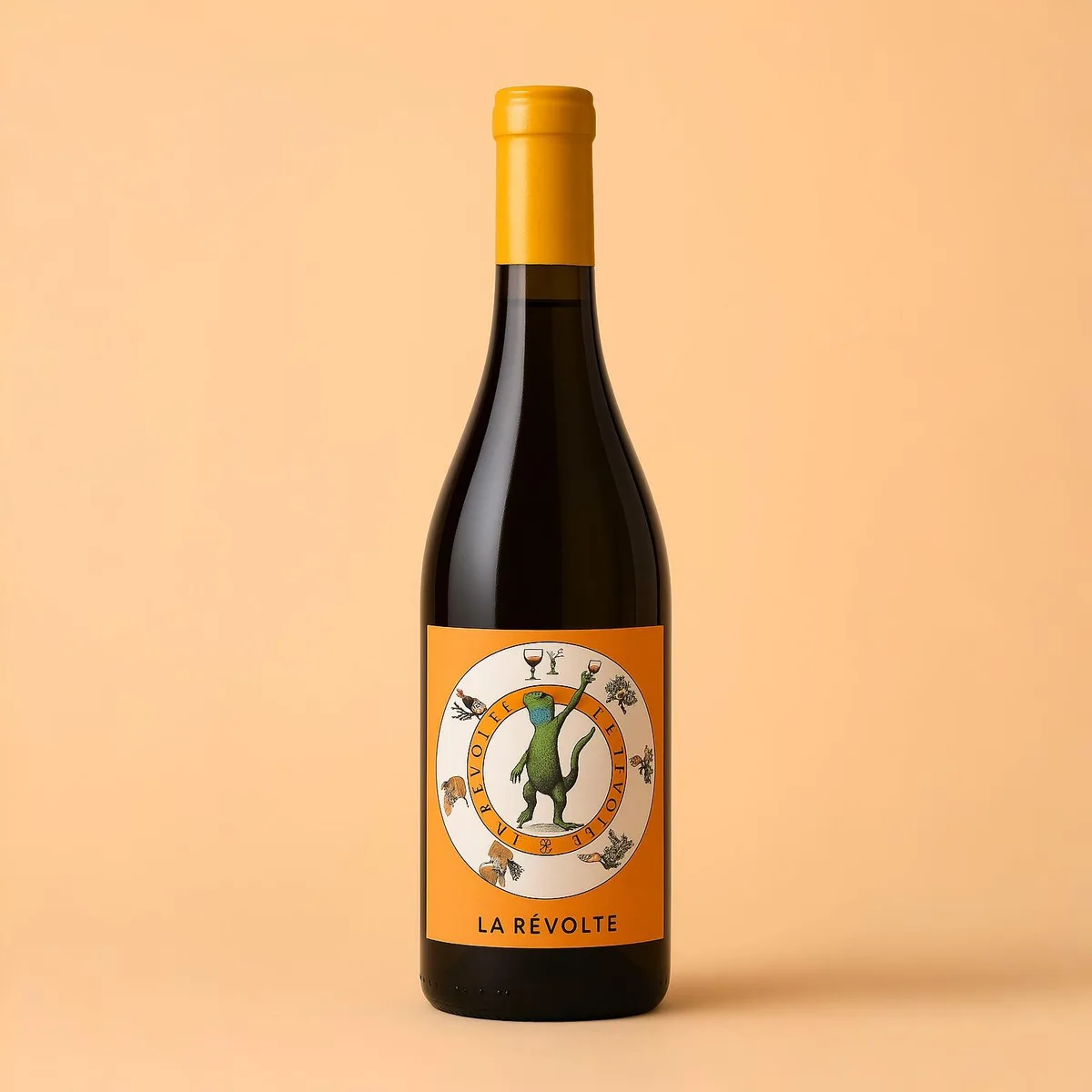
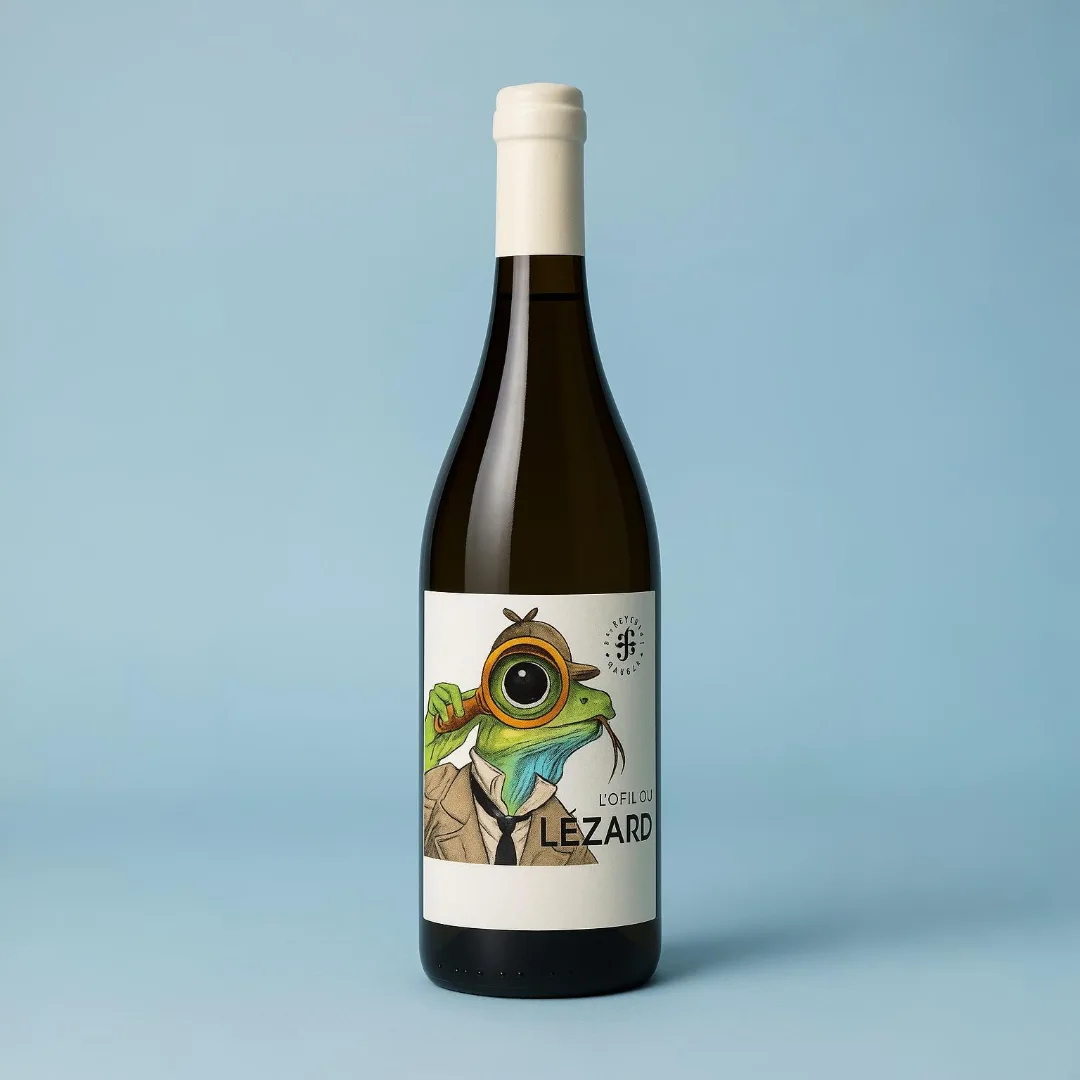
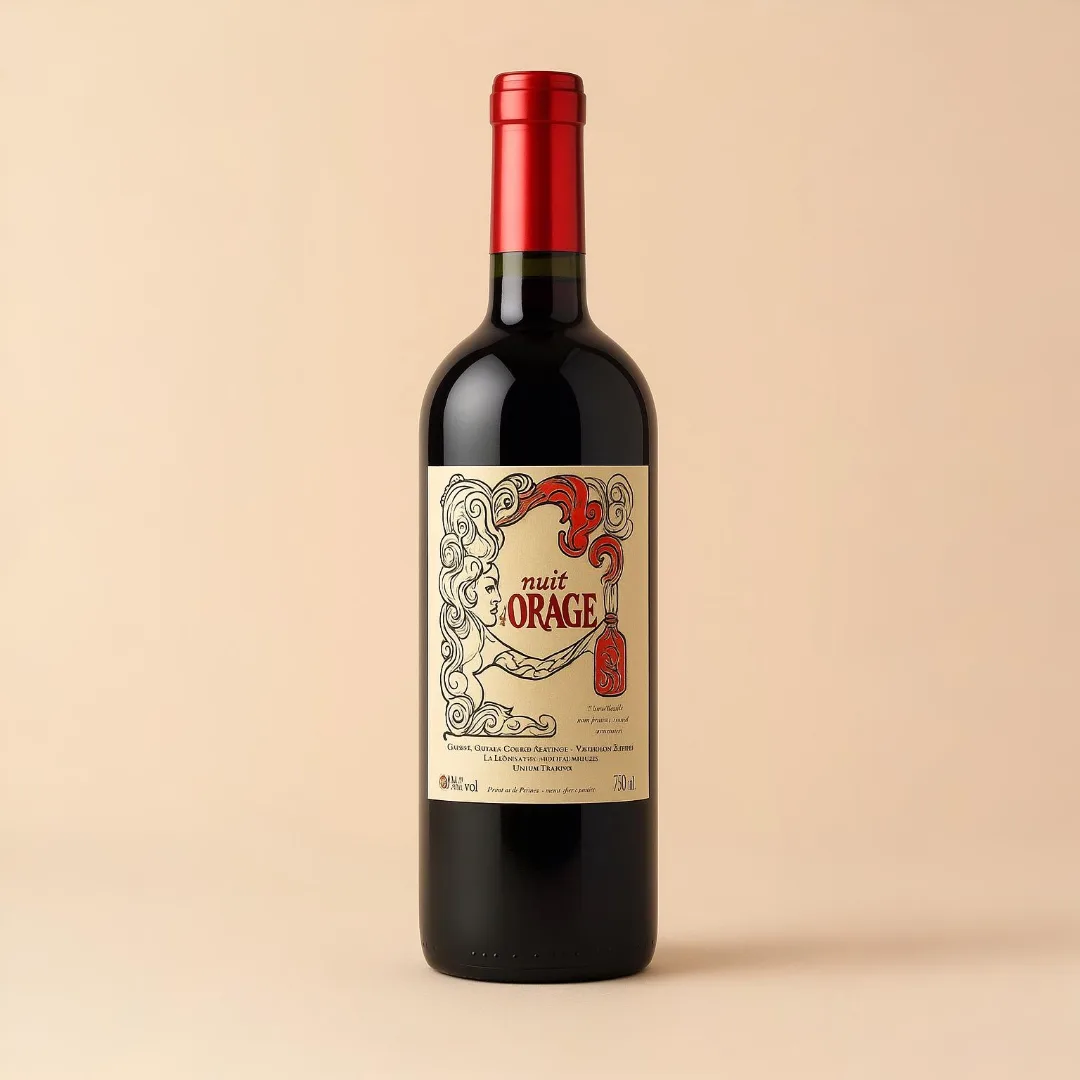
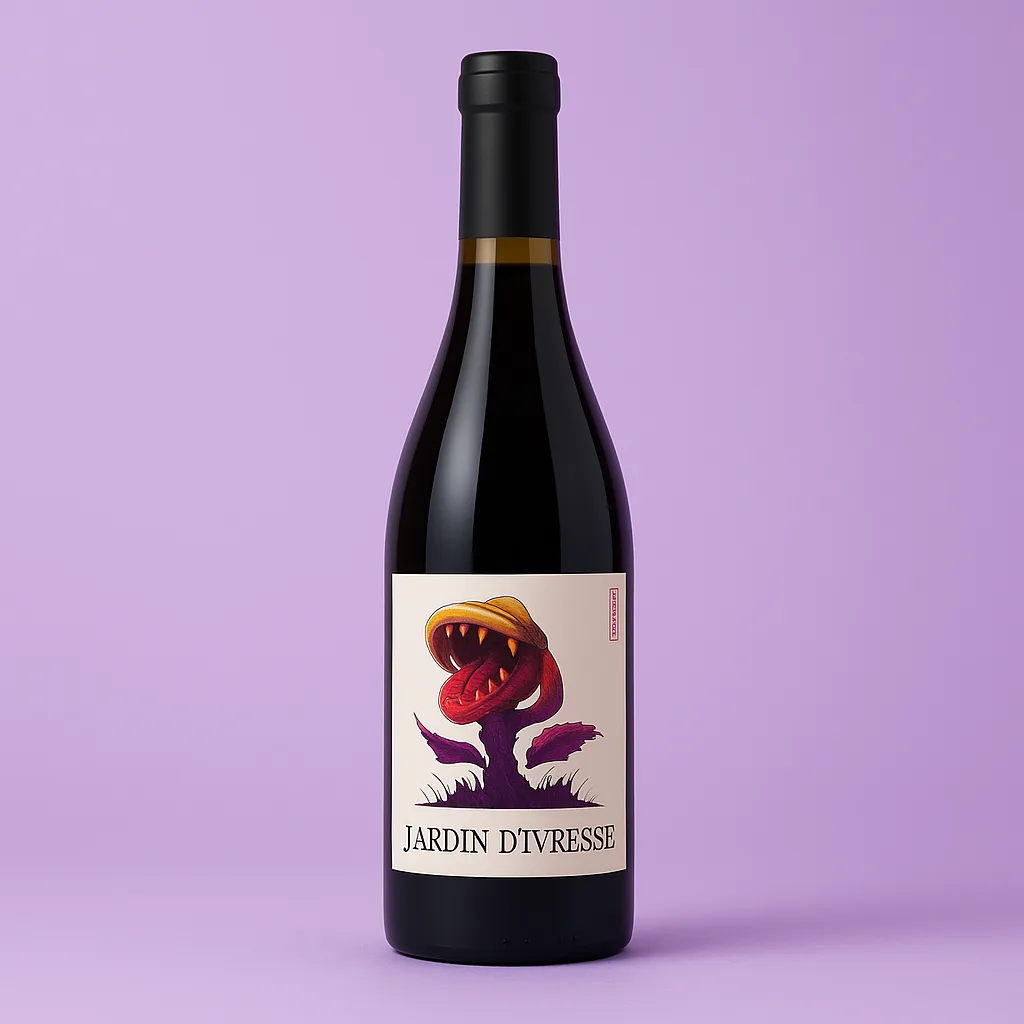
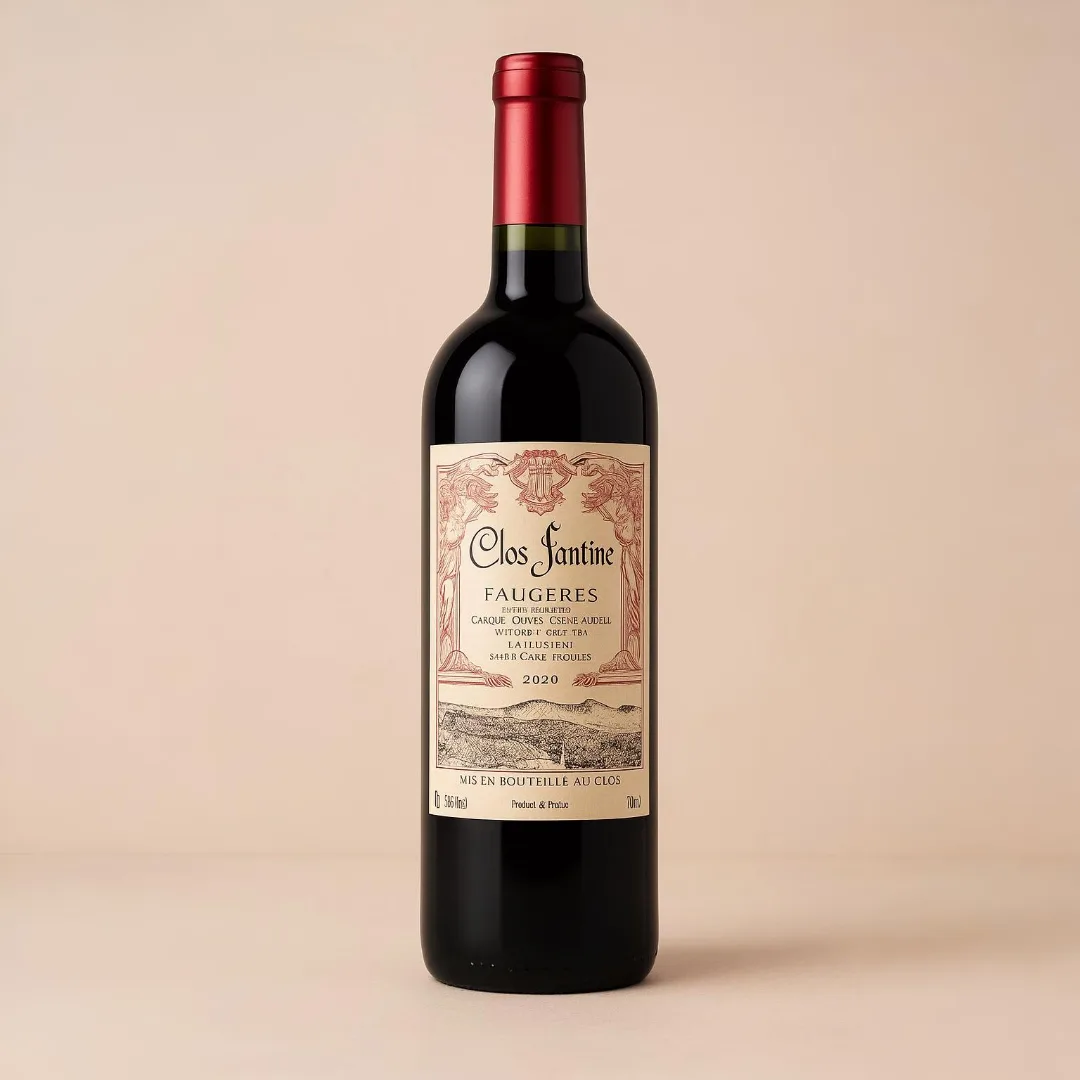
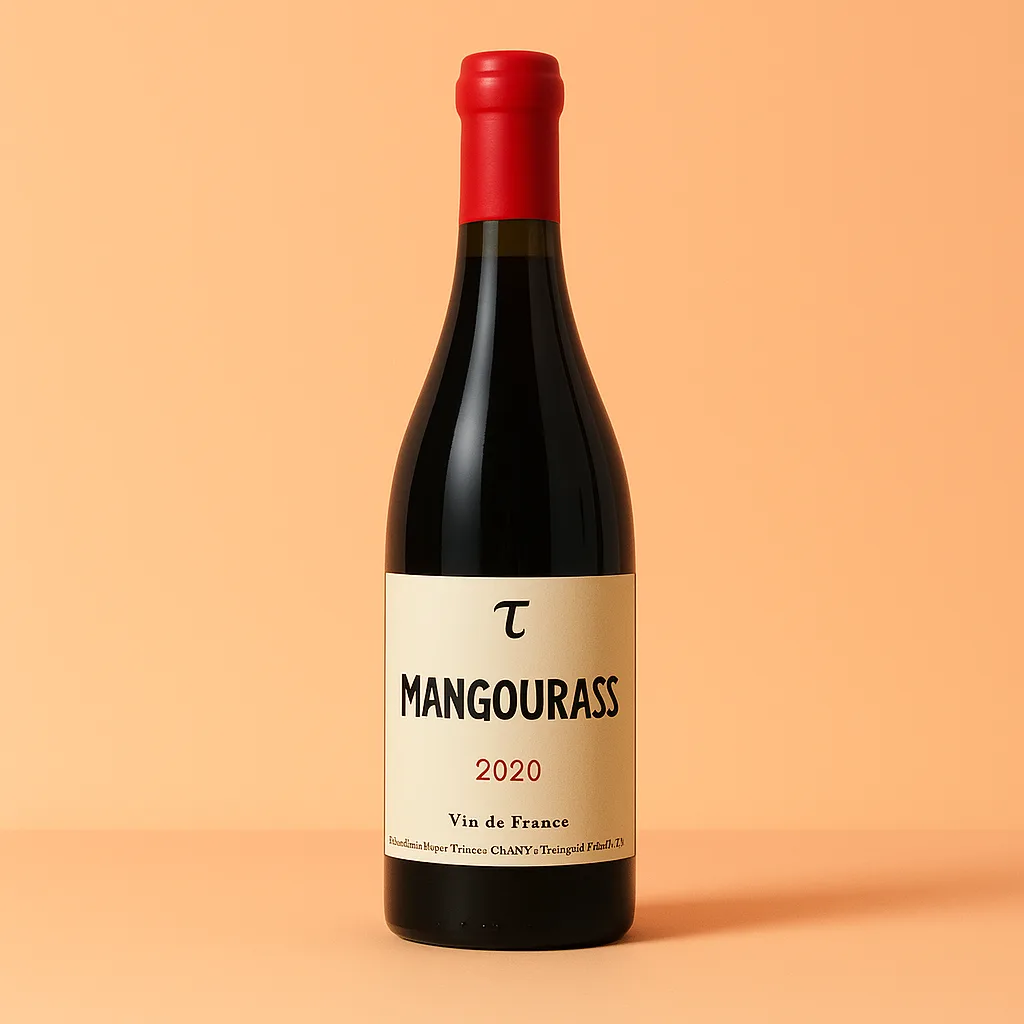
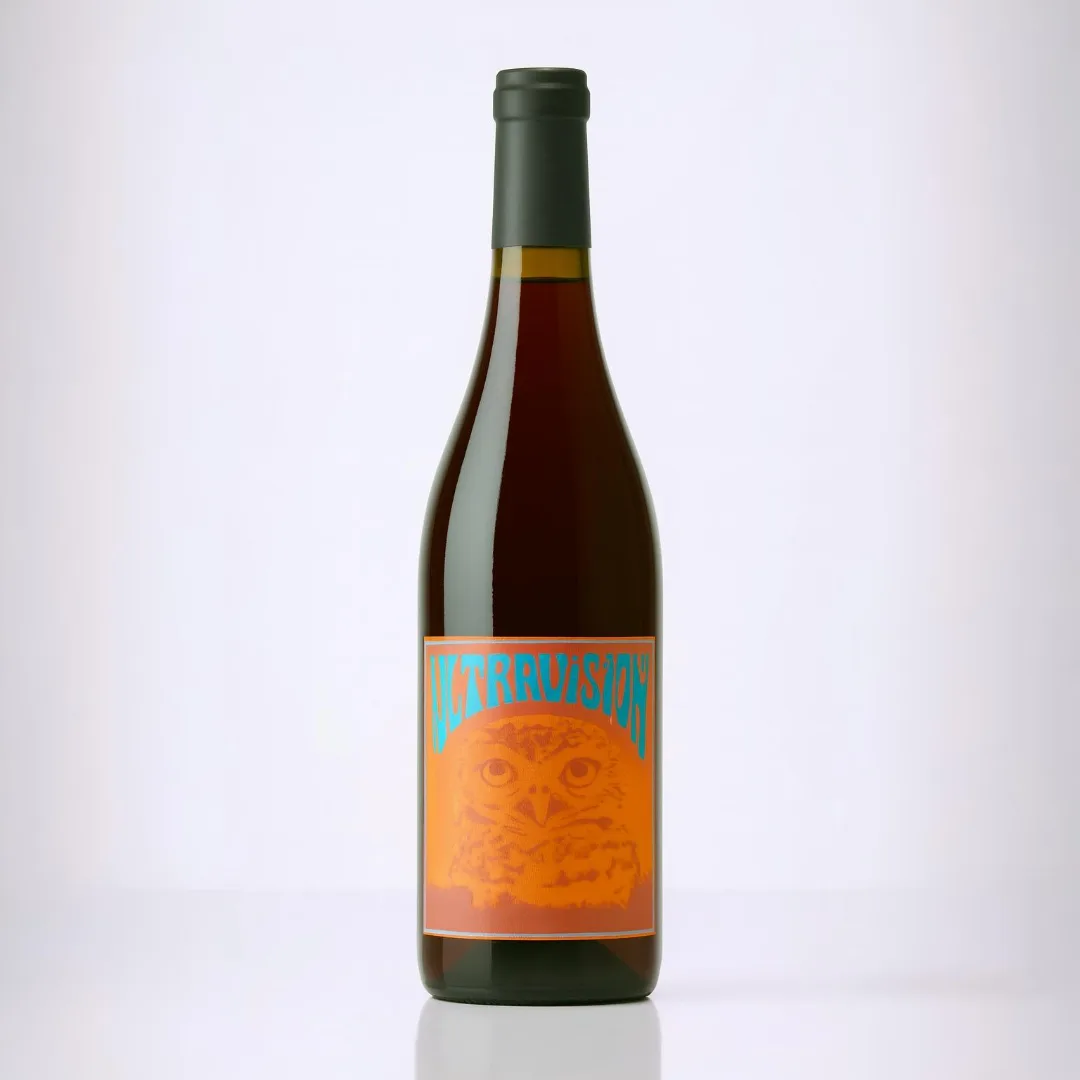
Carignan originates from Aragon in northeastern Spain and established itself in Languedoc during Roman times. During the 20th century's great production expansion, it was planted across southern France for a single purpose: volume. The grape is productive, hardy and gives high yields — but quality suffered. In the 1990s, EU subsidies halved the planted area, and the old vines were largely left alone.
It was the natural wine generation's producers who recognised what these abandoned old vines could actually give. A gobelet Carignan of 65, 80 or 100 years produces a fraction of what a young vine gives — but what it produces is concentrated, mineral and complex. The roots go deep into schist slopes and limestone, grapes concentrate naturally and hand harvesting becomes necessary.
The terroir varies markedly within Languedoc. In Faugères, black schist gives wines with iron minerality and depth. In Saint-Chinian, schist meets limestone — the wines become softer and more fruit-driven. In Haute Vallée de l'Orb at 300 metres altitude, gneiss and granite give a completely different freshness and acid structure.
Carignan is a quintessential food wine. The acidity and tannins cut through fat and lift umami. Think lamb stew with rosemary, cassoulet, grilled entrecôte or aged cheeses like Comté and Ossau-Iraty. Serve at 15–17°C — decant for 30 minutes if the wine is young.
We import Carignan directly from small producers in Faugères, Saint-Chinian and Haute Vallée de l'Orb. Old gobelet vines, organic or biodynamic farming, no additives.
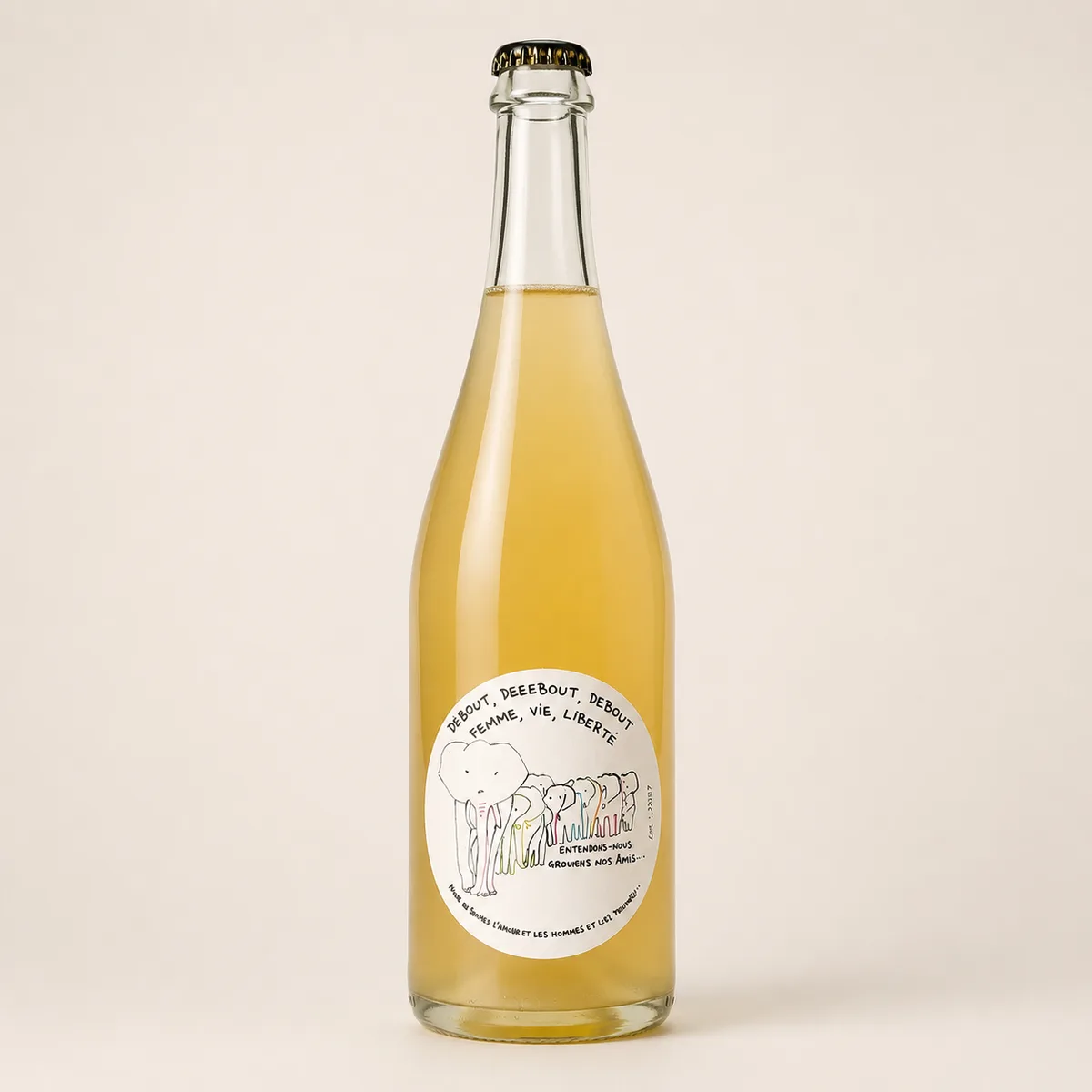
Debout 2025
La Marotte
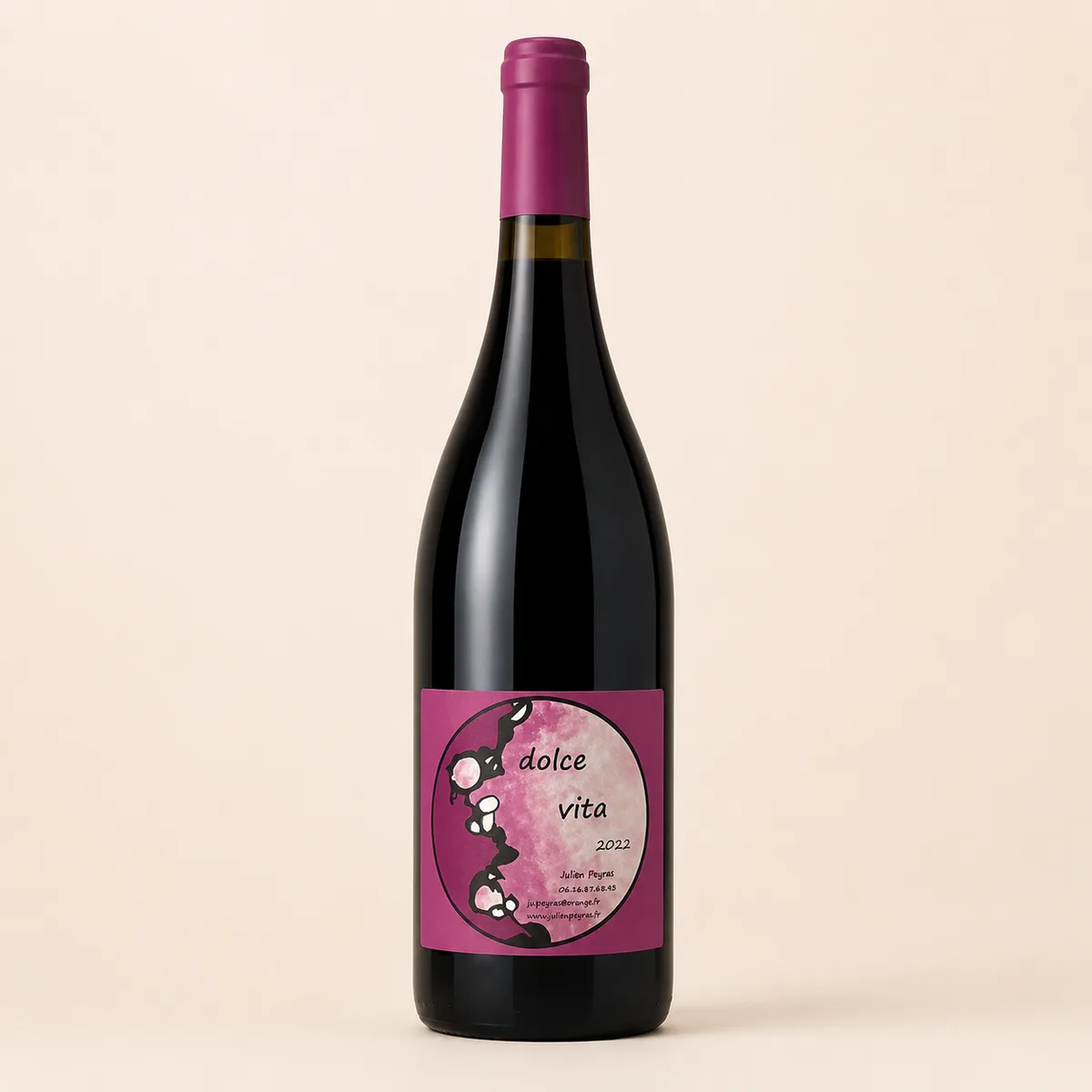
Dolce Vita 2022
Julien Peyras
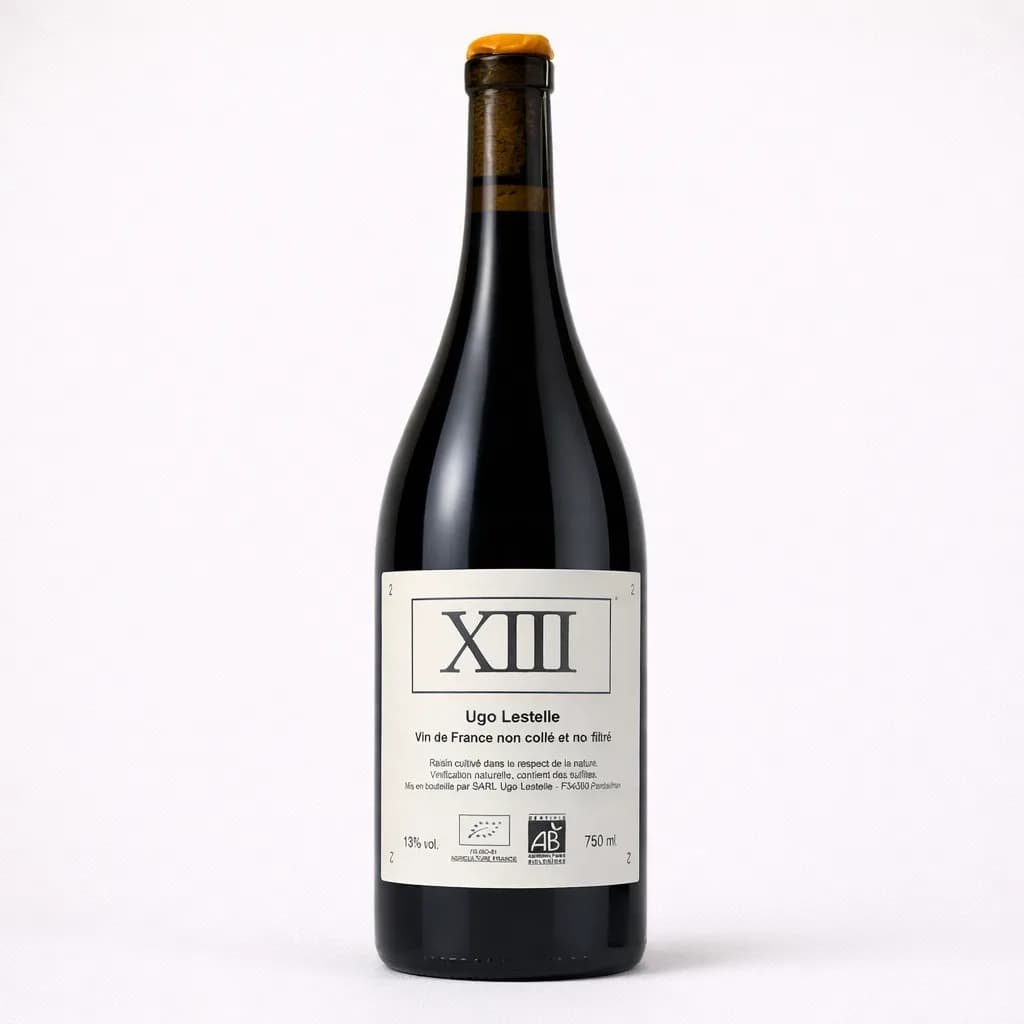
XIII 2023
Ugo Lestelle
Quel âne de course 2023
Le Bouc A Trois Pattes
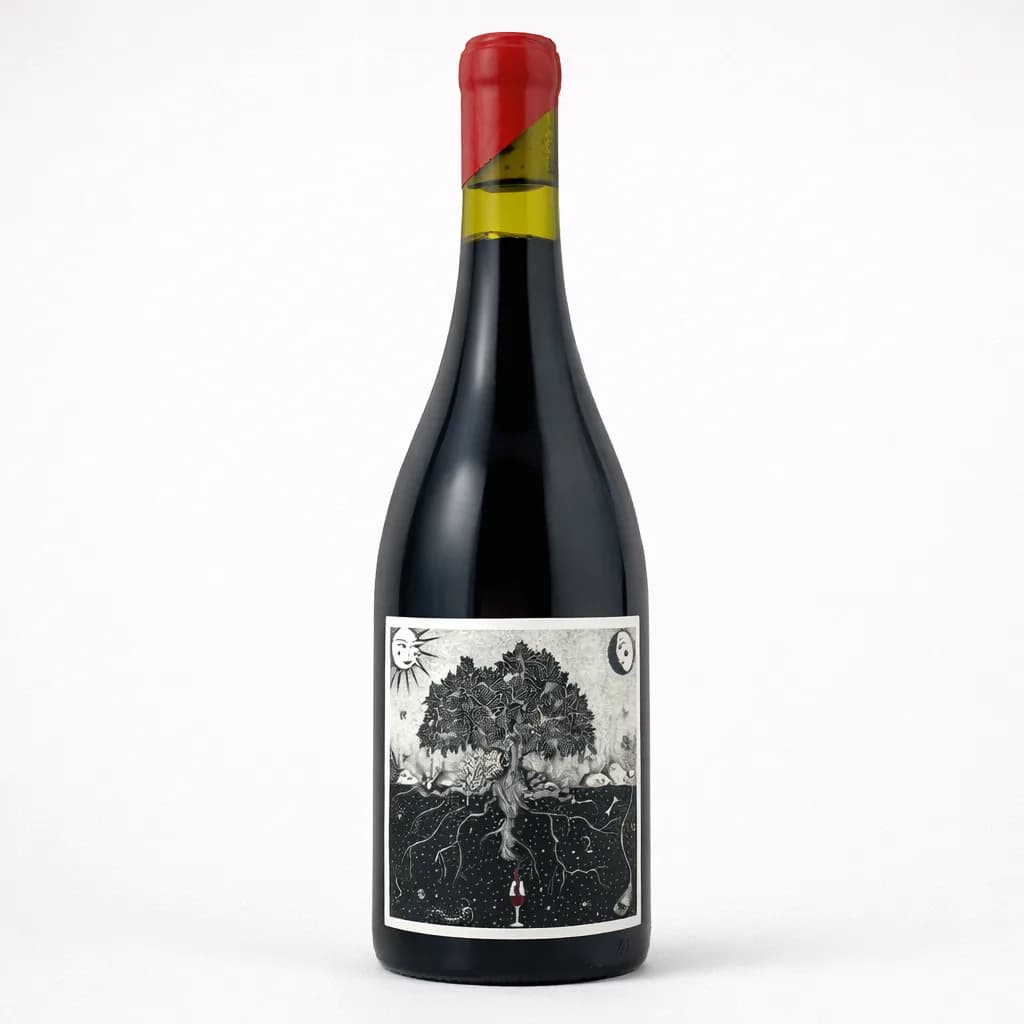
Carignan Radical 2022
Peira Levada
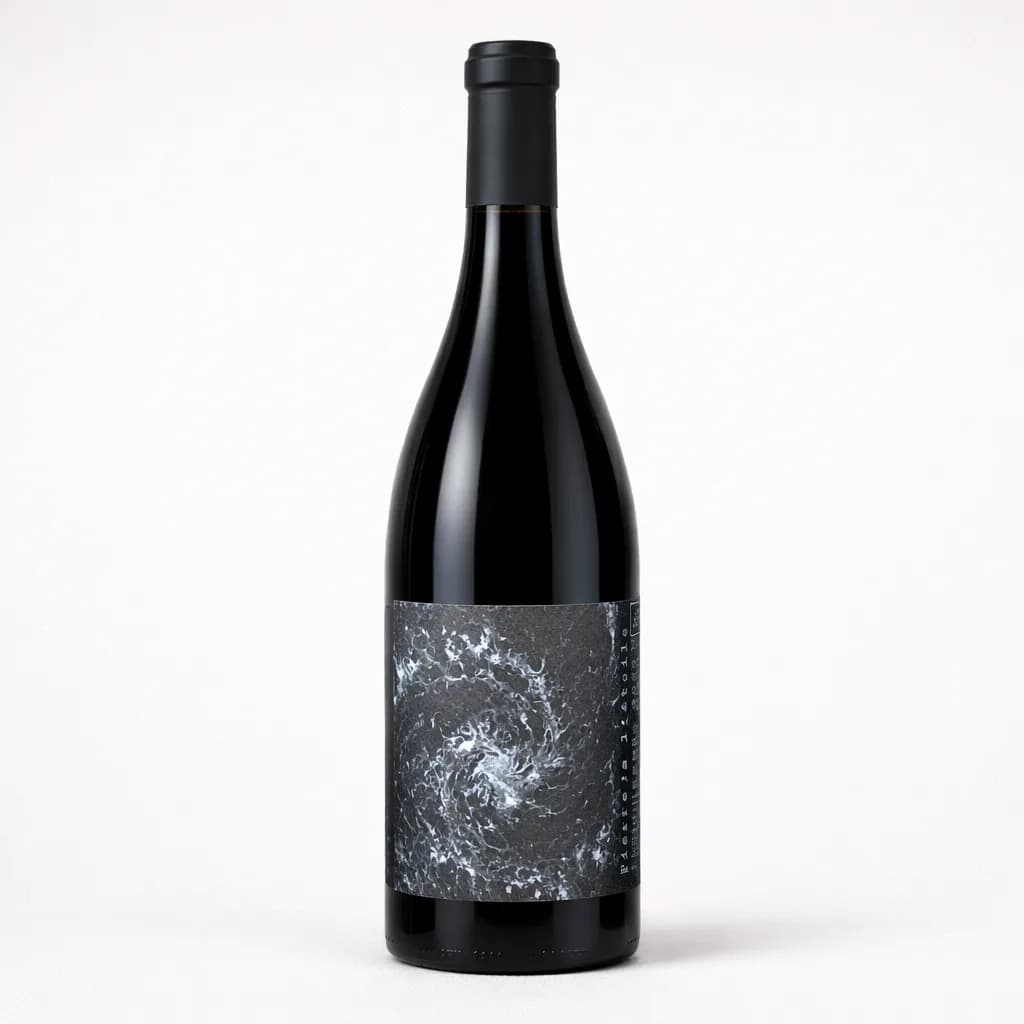
Maelström 2022
Pierre et l'Étoile